
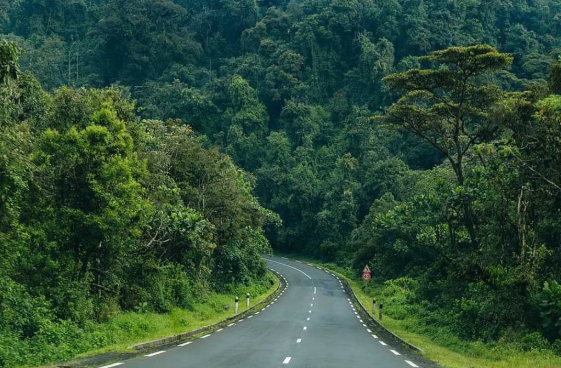
Introduction: A Country Made for the Open Road
Rwanda is small enough to cross in a single day, yet its landscapes change so quickly that a road trip here feels far bigger than the map suggests. Terraced hillsides give way to volcano foothills, lakeshores, rainforest and open savanna, often within a few hours of driving. Smooth main roads, clear signage and short distances make Rwanda road trips approachable even for first-time visitors to Africa.
This guide is built around the journey itself. It covers the best routes, how to combine them into itineraries, what to expect on the road and how to plan so your trip stays relaxed and flexible.
Why Rwanda Suits Road Trips
- Short distances. Most major destinations are within a few hours of Kigali, so you spend more time exploring and less time in the car.
- Well-kept main roads. Primary routes are generally good by regional standards, with clear signage and visible enforcement.
- Variety. Mountains, lakes, forests and savanna sit close together, giving each day a different character.
- Safety and order. Rwanda has a reputation for disciplined traffic and a welcoming, orderly environment.
- Flexibility. Your own schedule means early starts for treks, long lunches by the lake and spontaneous photo stops.
The Main Routes
Kigali to Musanze and Volcanoes National Park
This is the classic northern route, a scenic, mostly paved drive that climbs through farmland toward the Virunga volcanoes. It is the gateway to gorilla trekking and golden monkey tracking. Roads near trailheads and lodges can be steep and rough, especially after rain, so a 4×4 adds comfort.
Kigali to Akagera National Park
Heading east, the landscape opens into rolling plains and savanna. The approach road is straightforward, while the park’s internal tracks are unpaved and uneven. Game drives here reward a high-clearance vehicle, ideally with a pop-up roof.
Kigali to Lake Kivu
The western route to Gisenyi (Rubavu), Kibuye (Karongi) and Cyangugu (Rusizi) is one of the most beautiful drives in the country. Expect sweeping lake views, tea plantations, sharp bends and big elevation changes. Good brakes and steady driving matter more than speed.
Lake Kivu to Nyungwe Forest
The journey south follows ridgelines through some of the most dramatic scenery in Rwanda before entering the misty rainforest of Nyungwe. The road is winding and often wet, and the forest section can be foggy. Start early and drive carefully.
Kigali, Huye and the South
Heading south, you reach Huye (Butare), home to the National Museum and a lively university-town atmosphere. This is a calmer, cultural route that suits travelers wanting museums, markets and quiet countryside.
Sample Rwanda Road Trip Itineraries
Three Days: Kigali and the Volcanoes
Spend day one in Kigali, visiting memorials, cafes and craft markets. On day two, drive to Musanze for a trek or volcano-region activity. Return to Kigali on day three. This is ideal for short stays with a gorilla-trekking focus.
Seven Days: Mountains, Lake and Savanna
Begin in Kigali, drive to Musanze for trekking, continue to Lake Kivu for a couple of relaxed lakeside nights, then return through Kigali toward Akagera for game drives. It balances adventure, rest and wildlife.
Ten Days: The Grand Circuit
Add Nyungwe Forest for chimpanzee tracking and canopy walks, plus extra time in Huye or along the lake. With ten days you can slow down, which is often the best way to enjoy Rwanda.
Combined Trips with Uganda
Many travelers extend their journey across the border for gorillas, savanna parks and lakes in Uganda. This needs extra planning, including permission for any rental vehicle to cross, insurance and the switch from right-hand to left-hand traffic.
Choosing Your Vehicle
Match the vehicle to your route:
| Trip style | Suggested vehicle |
| Kigali and main paved roads | Economy or compact car |
| Gorillas and lakes in dry season | Compact SUV |
| Mixed routes, families, wet season | Mid-size 4×4 |
| Akagera game drives | Safari 4×4, ideally with pop-up roof |
| Large groups | Minibus or two vehicles |
A 4×4 is not mandatory for every Rwanda road trip, but it is strongly recommended if you plan to visit parks, rural lodges or travel during the rainy seasons.
Self-Drive or Hire a Driver?
Rwanda is one of the easier African countries for self-drive visitors, thanks to clear signage and orderly traffic. Confident drivers who are comfortable with hills, bends and motorbikes will enjoy the independence.
A driver, however, brings local knowledge, removes navigation stress and often acts as an informal guide. Many travelers use a mixed approach, hiring a driver for park days and driving themselves around Kigali or the lake.
Rules of the Road
Always check current regulations with your rental company and authorities before travel. In general:
- Rwanda drives on the right-hand side.
- Seat belts are mandatory.
- Speed limits are enforced with cameras and police checks.
- Carry your passport, valid driving licence and, where advised, an International Driving Permit.
- Keep rental papers and insurance documents in the vehicle.
- Single-use plastic bags are restricted, so avoid bringing them into the country.
Best Time for Rwanda Road Trips
Rwanda has two rainy and two drier seasons. The long rains typically fall from around March to May, with shorter rains in roughly October and November. The drier stretches, roughly June to September and December to February, are generally best for driving, trekking and wildlife viewing.
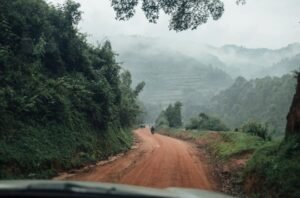
You can travel year-round, but in the rainy months slippery roads and low cloud call for extra time and a more capable vehicle.
Practical Tips for a Smooth Trip
- Start early. Daylight is your friend on mountain roads, and it falls quickly near the equator.
- Avoid night driving. Pedestrians, cyclists, animals and unlit vehicles are harder to see.
- Allow extra time. Hills, villages and photo stops make journeys longer than maps suggest.
- Refuel in larger towns before heading to rural areas.
- Download offline maps and carry a power bank, as coverage can fade in valleys and forests.
- Watch for moto-taxis, which stop and turn quickly.
- Slow down in villages for children, cyclists and livestock.
- Carry essentials: water, a torch, a basic first-aid kit and small cash for roadside purchases.
- Respect communities. Ask before photographing people and greet locals politely.
Budget Considerations
Costs depend on your vehicle, season, trip length and whether you travel with a driver. Beyond the vehicle, budget for fuel, insurance upgrades, accommodation, food, park and trekking permits, parking and a small contingency fund. Gorilla permits in particular are a major expense, so plan them early and align your route with permit dates.
Booking and Planning Steps
- Decide on dates and rough routes.
- Book permits for gorilla trekking or other park activities first, since they are limited.
- Choose self-drive or driver-led travel.
- Request itemized, all-inclusive vehicle quotes and compare insurance, mileage and breakdown support.
- Book accommodation at least in peak months.
- Inspect the vehicle thoroughly at handover and photograph existing damage.
- Save your provider’s breakdown number before departure.
Conclusion
Rwanda road trips offer a rare combination of beauty, convenience and ease. Short distances, good main roads and strong enforcement make it one of the most approachable road-trip destinations in Africa, while the variety of landscapes keeps every day fresh. Plan your route around your priorities, choose a vehicle suited to the terrain, allow generous time and avoid night driving.
Whether you spend three days chasing volcanoes or ten days looping through lakes, forests and savanna, driving through Rwanda lets you travel at your own pace and discover the country beyond the main attractions. With a little preparation, your journey through the Land of a Thousand Hills can be comfortable, flexible and unforgettable.
Key Takeaways
- Rwanda’s short distances and good main roads make it ideal for road trips.
- Core routes include Musanze, Akagera, Lake Kivu, Nyungwe and the south around Huye.
- A 4×4 is recommended for parks, rural lodges and wet-season travel.
- Rwanda drives on the right; carry your passport, licence and, if advised, an IDP.
- Self-drive suits confident drivers, while a driver adds local knowledge and less stress.
- Avoid night driving and allow more time than maps suggest.
- Book gorilla permits and accommodation early, especially in the dry seasons.
- Cross-border trips to Uganda need written permission, insurance and a driving-side switch.
Frequently Asked Questions (FAQ)
Is Rwanda good for road trips?
Yes. Short distances, scenic variety, good main roads and orderly traffic make Rwanda one of the more approachable road-trip destinations in Africa.
How many days do I need for a Rwanda road trip?
Three days covers Kigali and the volcanoes, seven days adds the lake and Akagera, and ten days or more allows Nyungwe and a slower pace.
Is it safe to self-drive in Rwanda?
Rwanda is widely regarded as one of Africa’s safer and more orderly countries to drive in. Take normal care around hills, bends, motorbikes and pedestrians, and avoid driving at night.
Do I need a 4×4?
Not for Kigali or main paved roads. A 4×4 is recommended for Akagera, trailheads, rural lodges and rainy-season travel.
Which side of the road do they drive on?
The right-hand side.
What documents do I need?
Typically your passport, valid driving licence, rental papers and, where advised, an International Driving Permit. Confirm current requirements before travel.
What is the best time of year?
The drier months, roughly June to September and December to February, offer easier roads and good wildlife viewing, though travel is possible year-round.
Can I combine a Rwanda road trip with Uganda?
Yes, but you need permission from the rental company, valid cross-border insurance and awareness that Uganda drives on the left.
What are the best routes?
Kigali to Musanze, Kigali to Akagera, the Lake Kivu corridor, Nyungwe Forest and the southern route through Huye are the most popular.
How early should I book?
For peak seasons, book vehicles, permits and accommodation several weeks to a few months ahead.