
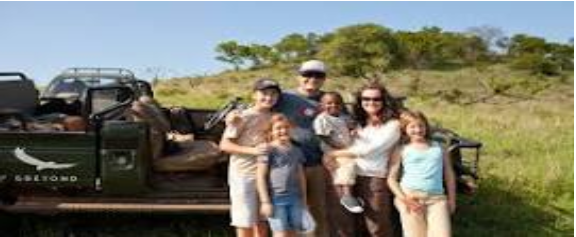
An African family safari is more than a holiday — it is an immersive journey into nature that inspires curiosity, strengthens family bonds, and creates lifelong memories. From watching elephants gather at a watering hole to hearing lions roar beneath starlit skies, a safari introduces children and adults alike to the raw beauty of the natural world.
Modern safari experiences are no longer reserved solely for honeymooners or wildlife enthusiasts. Across Africa, many destinations now cater specifically to families, offering child-friendly accommodations, educational programs, flexible game drives, and safety-focused environments. This guide explores everything you need to know about planning a successful African family safari , including the best destinations, activities, safety considerations, and practical tips.
Why Choose an African Safari for a Family Vacation?
Family safaris offer a unique combination of adventure, education, and connection. Unlike typical beach holidays or theme park vacations, a safari fosters shared discovery. Children learn about wildlife conservation, ecosystems, and cultural traditions while experiencing them firsthand.
Key benefits include:
- Educational value: Wildlife identification, tracking skills, and ecological awareness
- Digital detox: Time away from screens and closer to nature
- Shared adventure: Game drives, bush walks, and storytelling around the campfire
- Cultural exposure: Interaction with local communities and traditions
A safari transforms travel into a meaningful family experience.
Best African Destinations for Family Safaris
While many African countries offer safaris, some stand out for their family-friendly infrastructure and wildlife density.
Kenya
Kenya is one of the most accessible and diverse safari destinations in Africa. The iconic Maasai Mara National Reserve offers excellent wildlife viewing year-round, including the chance to see lions, elephants, giraffes, and, during migration season, dramatic river crossings.
Family-friendly lodges often provide:
- Junior ranger programs
- Shorter, flexible game drives
- Swimming pools
- Interconnecting family tents or suites
Kenya’s well-developed tourism infrastructure makes it a reliable choice for first-time safari families.
South Africa
South Africa is particularly popular with families due to its malaria-free reserves and excellent road networks. The renowned Kruger National Park offers self-drive options, making it convenient for families who prefer flexibility.
Private reserves near Kruger provide:
- Child-friendly safari vehicles
- Dedicated family accommodations
- Special kids’ educational activities
South Africa also combines well with city exploration in Cape Town or beach relaxation along the Garden Route.
Tanzania
Tanzania’s vast wilderness areas offer unforgettable wildlife spectacles. The Serengeti National Park hosts part of the Great Migration and provides expansive plains teeming with wildlife.
While some camps have age restrictions, many luxury and mid-range operators offer tailored family itineraries with private vehicles to accommodate children’s schedules.
Botswana
Botswana is known for its pristine landscapes and exclusive safari experiences, particularly in the Okavango Delta. Although traditionally focused on luxury travel, certain camps now welcome families with private-use accommodations and child-focused programs.
Botswana is ideal for families seeking privacy and immersive wilderness experiences.
What Makes a Safari Family-Friendly?
Not every safari camp or lodge is suitable for young children. When planning, look for the following features:
1. Flexible Game Drives
Children may not manage long hours in a vehicle. Camps that offer shorter drives or private vehicles allow families to adjust schedules as needed.
2. Educational Programs
Many lodges provide junior ranger activities, wildlife tracking lessons, and storytelling sessions that make learning engaging and fun.
3. Safety Measures
Fenced lodges or carefully supervised walking policies provide peace of mind for parents.
4. Family Accommodations
Interconnecting rooms, family suites, or private villas ensure comfort and convenience.
5. Child-Friendly Dining
Flexible meal times and kid-friendly menus help maintain routine and comfort.
Age Considerations for Family Safaris
Age restrictions vary by lodge and activity. Generally:
- Under 5 years: Limited participation in game drives; some lodges may not allow young children.
- 6–12 years: Ideal age for safari engagement and wildlife education.
- Teenagers: Often find safaris thrilling, especially with photography, conservation discussions, and guided bush walks.
Parents should verify minimum age policies before booking.
A Typical Family Safari Day
A safari day balances adventure with relaxation:
Early Morning:
Short game drive to spot active wildlife. Children often enjoy identifying animals with guidebooks or checklists.
Midday:
Return to camp for breakfast, swimming, crafts, or educational activities.
Afternoon:
Rest period followed by another game drive or nature walk.
Evening:
Dinner under the stars and storytelling around the fire.
The rhythm allows families to explore without feeling rushed or overwhelmed.
Educational and Cultural Experiences
Beyond wildlife viewing, family safaris can include:
- Visits to local villages to learn about traditional lifestyles
- Conservation talks led by rangers
- Tree planting or wildlife tracking activities
- Learning basic survival skills in the bush
These experiences deepen children’s understanding of global cultures and environmental stewardship.
Health and Safety Considerations
Safety is a top priority for family travel.
- Vaccinations and Health Advice: Consult a travel clinic before departure.
- Malaria Precautions: Some regions require preventive measures.
- Travel Insurance: Essential for medical coverage and trip protection.
- Sun Protection: Wide-brimmed hats, sunscreen, and hydration are critical.
Professional safari guides are highly trained and prioritize guest safety at all times.
Tips for Planning a Successful Family Safari
- Choose the Right Season: Dry seasons offer easier wildlife viewing, while green seasons provide lush landscapes and fewer crowds.
- Book a Private Vehicle: Ensures flexibility and comfort.
- Pack Smart: Neutral clothing, binoculars, field guides, and lightweight layers are essential.
- Prepare Children in Advance: Introduce them to African wildlife through books and documentaries.
- Allow Downtime: Avoid overscheduling to keep energy levels balanced.
Combining Safari with Relaxation
Many African destinations allow families to combine safari adventure with beach relaxation. Kenya and Tanzania offer Indian Ocean coastlines, while South Africa combines wildlife with scenic coastal routes. This blend ensures variety and recovery time for younger travelers.
The Lasting Impact of a Family Safari
An African family safari is transformative. Children witness wildlife in its natural habitat, fostering empathy for conservation and a deeper respect for the environment. Parents gain the joy of shared exploration, watching their children experience wonder and discovery firsthand.
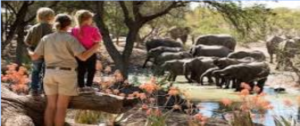
Unlike conventional vacations, a safari creates stories that families retell for decades — the moment a giraffe crossed the road, the first sighting of a lion pride, the quiet awe of a sunset over the savannah.
In an increasingly fast-paced world, an African family safari offers something rare: meaningful connection — to nature, to culture, and to one another. For families seeking adventure with purpose, Africa delivers an experience that is both enriching and unforgettable.