
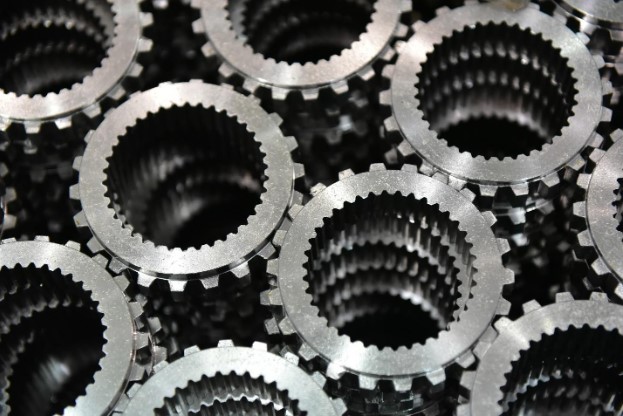
In the world of modern machinery, precision gears are essential components that ensure reliable power transmission, minimize energy loss, and enable smooth operation. The term “precision” indicates that these gears are manufactured to a high standard, typically to ISO 1328 Classes 3 to 7, making them highly accurate, quiet, reliable, and long-lasting equipment.
These gears are vital for industries such as aerospace, automotive, robotics, advanced agriculture, and cultural equipment. However, choosing a precision gear completely depends on selecting the right manufacturer. This informative guide highlights the key factors to consider when choosing a manufacturing company.
1. Nature of Your Job
Every project is different and comes with different project demands. Choosing a precision gear manufacturing company completely relies on your unique needs. Make sure you precisely understand the nature of the jobs you will get from the precision gears before ordering them.
Understanding the nature of the job helps you avoid choosing the wrong manufacturing company, ultimately saving you time and money.
2. Technical Capabilities & Equipment
Once you have thoroughly analyzed the nature of the job you will receive from Precision Gears, the next step is to review the company’s technical and technological capabilities and equipment performance. Ensure the company uses advanced CNC automation and finishing equipment, such as profile grinding, gear hobbing, and power skiving, that can meet your exact tolerance requirements.
Look for companies that offer end-to-end capabilities, including machining, heat treatment, grinding, and assembly, to shorten lead times and improve overall quality control.
3. Quality Assurance & Certifications
Quality assurance and certifications enhance a manufacturer’s profile, especially for precision gears. Before choosing a manufacturer for your precision gear needs, confirm that the manufacturer adheres to strict international standards, such as ISO 1328, for gear tooth accuracy and geometry. ISO 1328 is the globally recognized standard specifying accuracy requirements and tolerances for cylindrical involute gears.
Further, it establishes a uniform framework for manufacturers and buyers to define, measure, and evaluate deviations in gear tooth profiles, helical variations, and pitch errors. Assess their installation process, including their quick checks, coordination of measuring machines, and non-destructive testing capabilities.
4. Material & Engineering Expertise
Choose a manufacturing company with experience working with the materials you require, ranging from high-strength steels and aluminum to specialized plastics for injection molding. However, choosing a competent manufacturer with prior experience in the area you are targeting will provide the expertise to deliver precision gear exactly to your needs.
Furthermore, evaluate their design support, because the best manufacturing company can serve as an extension of your engineering team, offering design optimization, reverse engineering, and prototyping services.
5. Reputation & Track Record
Last but not least, when choosing a precision gear manufacturing company, review their industry reputation and track record of producing high-quality gear products. Choose a manufacturer with proven expertise in insurance, such as in the automotive, robotics, and automation sectors.
Look for established certifications such as AS9100 for aerospace or IATF 16949 for automotive, depending on your specific industry.
Bottom Line
The process of choosing a precision gear manufacturing company can be more straightforward if you understand the nature of the job you want from them. Next, review the technical capabilities, quality assurance, certifications, materials, engineering, industry reputation, and track record to choose the right gear manufacturing company effectively.